
Hot water is a behind-the-scenes contributor to everyday life. It is in use from showering in the morning to doing laundry, from the kitchen to the healthcare industry. By 2026, the manner in which this hot water is generated will be scrutinised as never before. Higher electricity prices, strain on traditional fuel sources, and an emphasis on energy efficiency are all reasons why buyers are looking beyond conventional methods of heating. It is where a solar water heater system becomes more than just an environmental claim. It not only meets the needs for warm water with reliability and consistency, but it also does so with remarkably reduced operating costs in the process.
Why Solar Water Heater Systems Continue to Gain Momentum in 2026
The interest in solar water heaters in 2026 is not only because of environmental consciousness but also due to smart economics. Electric water heaters and fuel-powered water heaters consume significant electricity or fuel to heat the water.
A solar water heating system helps to overcome such reliance by leveraging sunlight as its basic source of energy. After installing it, you can heat water every day with minimal electricity usage.
The major driving forces associated with the rising acceptance and implementation of solar water heaters are:
- Raising electricity tariffs in the residential and business sectors
- High demand for hot water in hotels, hospitals, hostels, and industries
- Increased concern about the cost of operation in the long term as opposed to the price.
- Enhancements in the dependability and design of modern solar water heaters
In regions with abundant sunlight, solar water heaters have transformed from being an optional addition to a sound investment in infrastructure upgrades.
How a Solar Water Heating System Functions
Basically, the technology harnesses solar power and uses the energy to heat water. As the water inside the collector is exposed to the sun’s energy, the warmer water naturally rises within the storage tank. The cooler water then flows back inside the collector, completing a circulation cycle.
The components of the system are:
- Solar collectors that absorb sunlight
- An insulated storage tank to retain heat
- Circulation piping connecting collectors and the tank
Good insulation ensures that the heated water stays warm for extended periods, allowing usage even during early mornings or late evenings.
Types of Solar Water Heater Systems Used Today
In 2026, two solar water heater designs dominate due to their proven performance and durability.
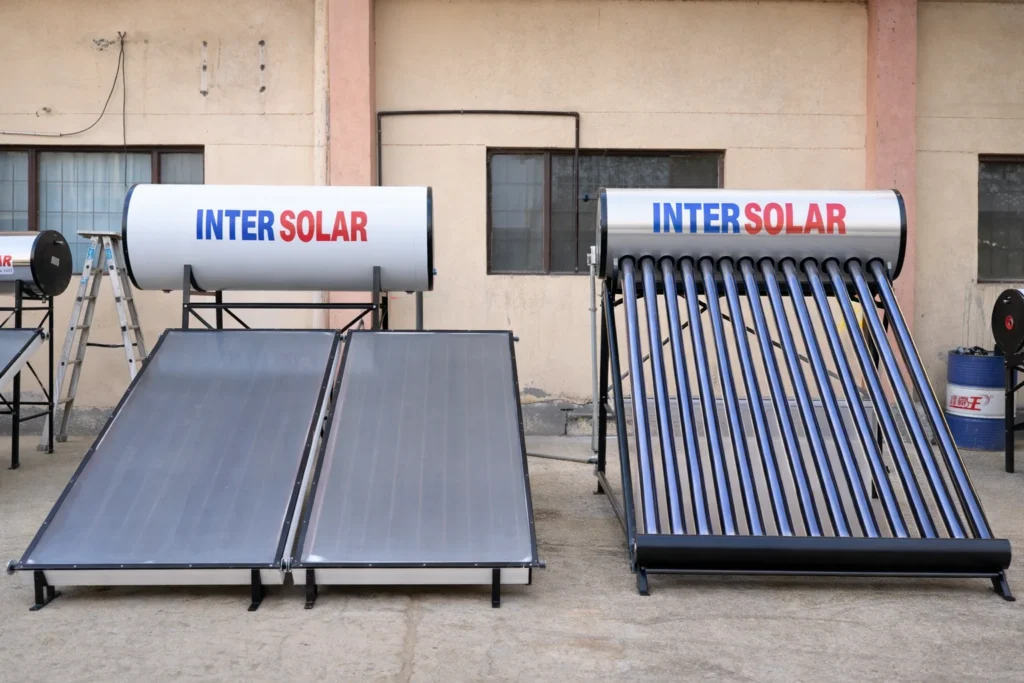
Evacuated Tube System Water Heater
An evacuated tube system water heater consists of multiple glass tubes, each containing a vacuum layer between two glass walls. This vacuum significantly reduces heat loss, making the system highly efficient.
Advantages of evacuated tube systems include:
- Strong performance in winter and cloudy conditions
- Faster heating due to minimal thermal loss
- Efficient operation in colder regions and variable climates
Such systems are often applicable in residential houses, apartments, hospitals and other institutions requiring constant supplies of hot water.
Flat Plate Water Heater
A Flat Plate Water Heater contains an absorber plate fixed inside an insulated metal box with a glass top. As the sun’s rays heat the absorber plate, it heats the water passing through tubes situated below it.
The important features of a flat plate collector or system are:
- Hardy construction involving less delicate components
- Long lifespan when used properly
- Stable performance in tropical and subtropical environments
- Reduced sensitivity to dust and impact
Flat Plate Systems are especially useful in places with constant illumination by the sun. They can be employed in residential, factory, or commercial buildings.
Choosing the Right Solar Water Heater System for Your Needs
Selecting the right solar water heater system is less about technology preference and more about matching capacity to actual usage.
Important considerations include:
- Daily hot water consumption patterns
- Number of occupants or rooms
- Peak usage timings
- Local climate and seasonal variation
- Roof strength, orientation, and available space
Residential systems usually range from smaller capacities, while commercial installations require larger storage tanks and multiple collectors. Oversizing leads to unnecessary costs, while undersizing results in performance dissatisfaction. A well-matched system delivers reliable hot water without excessive investment.
Solar Water Heater Cost in 2026: Price vs Installation Reality
Solar water heater price rarely comes as one fixed figure because two similar-looking systems can differ sharply in build quality. The biggest price drivers include tank capacity, insulation thickness, collector efficiency, material grade, corrosion resistance, and certifications. A lower-priced unit may heat water, but it often loses heat faster, increasing reliance on backup heating and energy bills over time.
The solar water heater installation cost is also not just labour. It reflects site conditions and how cleanly the system integrates with your plumbing.
Installation costs change based on:
- Roof height, slope, and load-bearing capacity
- Distance between collector and storage tank
- Pipe routing and insulation length
- Integration with existing plumbing
Solar Water Heater Maintenance Tips That Actually Matter
Solar water heaters are low-maintenance, not no-maintenance. Most problems develop slowly and can be corrected early if inspected periodically. Small checks make a large difference over time.
Practical solar water heater maintenance tips include:
- Cleaning collectors or tubes to remove dust buildup
- Checking insulation condition before winter
- Monitoring scaling in areas with hard water
- Inspecting joints and valves annually
How to Choose the Best Solar System Company in India
Choosing the best solar system company in India is less about who offers the biggest capacity and more about who understands your actual requirement. A reliable provider starts by assessing daily hot water usage, roof space, sunlight exposure, and plumbing layout before suggesting a system.
They explain installation requirements clearly, including mounting needs, piping routes, insulation, and how the system will connect with existing plumbing or backup heating. Just as importantly, they discuss long-term upkeep, share practical maintenance guidance, and set realistic expectations about performance across seasons.
When a company takes this consultative approach, the system is more likely to deliver steady output and dependable savings well beyond the first year.
Bottom Line: Is a Solar Water Heater System Worth It in 2026?
For most homes and commercial buildings, the answer is yes. A solar water heater system reduces monthly energy costs, stabilises hot water availability, and requires minimal upkeep.
The real value appears over time. Lower electricity consumption, predictable performance, and long service life make solar water heating one of the most dependable renewable investments available today.
When system type, installation quality, and maintenance are aligned, solar water heaters quietly do their job every day, without drama, and without waste.
Frequently Asked Questions
Yes, but performance depends on insulation quality, system sizing, and stored hot water availability. Many setups also include an optional backup heater for continuity. For cloudy regions, choosing the right collector type helps maintain usable temperatures.
In peak summers, water temperature can rise higher than usual, especially in low-usage homes. A good system design manages this through proper sizing, controlled draw-off, and safety valves. Some installations also include temperature-limiting controls.
It can, depending on whether the system is gravity-fed or pressure-based. Multi-storey buildings and high-pressure requirements may need pressure pumps or compatible pressurised tanks. A proper site assessment ensures the hot water line performs normally.
Look for clear coverage on the tank, collector, and key fittings, plus terms for leakage, corrosion, and manufacturing defects. Also check service response timelines and whether labour is included. A detailed warranty is usually a reliability signal.
Metal roofs can work well with the right mounting structure and waterproofing. Shaded buildings are more challenging, as collectors need direct sunlight. In such cases, installers may recommend relocating collectors, using elevated frames, or adjusting system expectations.