
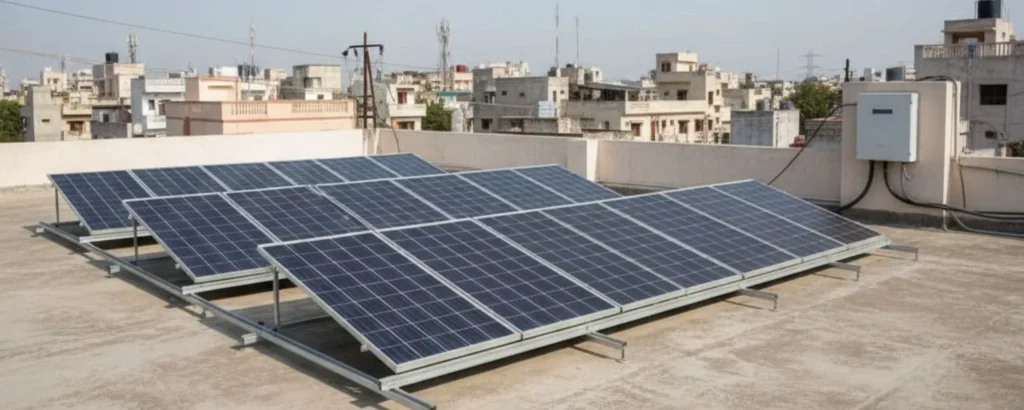
Solar is not a futuristic idea anymore. For homeowners and businesses, solar PV panels bring clear savings and more control over power. If you are looking at solar power for home use or planning larger commercial solar power systems, the reasons to switch are simple: costs have come down, the technology works, and support from policy and finance makes projects practical. Let’s discuss the solar energy benefits in simple terms, and the steps you can take to go solar for your home and office.
Financial Solar Energy Benefits You Can Count On
The first thing most people notice is the monthly bill. When you generate your own electricity through solar PV panels, the amount you buy from the grid drops, and that change shows up every month. Small savings add up quickly. For businesses, the effect is even more striking. After you recover the up-front investment, energy becomes predictable and much cheaper than before.
There are several ways to get started without draining your cash reserves. You can buy the system outright, take a loan, lease the equipment, or opt for a power purchase agreement. Those choices mean organisations can start saving with little cash up front. The basic arithmetic is straightforward: size the system sensibly, keep it maintained, and you will often recoup the cost in a few years. After that, the electricity is effectively very low-cost.
Key takeaways:
- Lower monthly bills and steadier energy costs.
- Good returns: many systems recover cost within a few years, then deliver long periods of cheap electricity.
- Flexible finance options make projects possible even if capital is tight.
Energy Independence and Operational Resilience
Power cuts are more than an inconvenience when work is on. They disrupt production lines, stop meetings in mid-flow, and create safety problems. A rooftop solar system plus battery storage gives you a buffer. It means short outages do not instantly halt operations.
For households, the benefit is easy to picture. Lights stay on, the fridge keeps working, and small comforts continue during blackouts. For offices and factories, it is about continuity and protecting revenue. In remote locations, solar can replace costly diesel generation or the need to extend the grid.
Why this matters:
- Keeps essential operations running during short interruptions.
- Lowers exposure to tariff hikes and volatile energy markets.
- Reduces reliance on diesel and avoids expensive grid extensions for remote sites.
Environmental Impact and Brand Value
Solar cuts emissions where electricity is used. That makes it a visible, practical step to shrink a household or company’s carbon footprint. For organisations that report on sustainability or chase green building ratings, solar gives a concrete achievement to include in reports.
There is a reputation benefit, too. Customers and investors notice when a business takes real steps on environmental impact. For homeowners, panels are often seen as a meaningful upgrade and can be attractive at resale. The environmental benefits and market benefits tend to arrive together.
Marketing and stakeholder benefits:
- A straightforward demonstration of sustainability to customers and investors.
- Supports sustainability reporting and certifications.
- Easy to explain in marketing copy and corporate responsibility materials.
Must Read: 7 Reasons Why Solar Energy is a Smart Choice for the Environment
Solutions for Different Needs: From Home to Commercial
Solar energy is flexible. Solar PV panels on a house will be sized differently from an industrial array. Homes most often get rooftop arrays set to match daytime demand. Commercial projects scale up with larger arrays, sturdier mounting, and sometimes tracking equipment to get more from the same land area.
A good installer will recommend the right mix of modules, inverter and accessories. Typical system types include:
- Rooftop solar system for homes and offices – compact, quick to install and ideal in cities.
- Ground-mount or carport systems for warehouses and large campuses.
- Hybrid systems that combine solar with batteries for resilience and peak shaving.
Picking the right design means matching your energy needs, available roof or land area and your business objectives.
Policy Support and Monetisation Routes
Policy changes how the numbers look. Subsidies, tax benefits for businesses, net metering and renewable certificates all improve cashflow and shorten payback. Net metering in particular can make a big difference by crediting you for surplus energy you export to the grid. Those credits lower payback periods and improve returns.
Rules vary by state and utility, so check what applies in your area. In general, however, policy support has made solar easier to afford and simpler to treat as a financial decision rather than just an environmental one.
What to Look for in a Solar PV Panel Supplier
Choosing the right partner matters as much as the panels themselves. When you speak to potential suppliers, look for:
- A proven track record and local service network.
- Clear warranties for modules, inverters and installation.
- Solid operation and maintenance packages.
- Transparent financial models and help with local approvals.
If you want a partner that can manufacture modules and also deliver projects at scale, choose a solar panel manufacturer with national experience and full EPC capability.
Practical Steps to Go Solar
- Audit your energy use. Look at daily and seasonal patterns so you can size the system properly.
- Survey the roof or site. Roof area, orientation and shade determine what will actually work.
- Get multiple proposals. Compare module types, inverter brands, warranties and service terms.
- Assess financing. Run scenarios for buying, loans, leases and PPAs to see what suits your cashflow.
- Plan maintenance. Regular cleaning and periodic checks keep output healthy for years.
- These steps are simple, but doing them well makes a big difference. A trustworthy solar panel manufacturer should walk you through each step and show realistic production and payback numbers.
Final Thoughts
Going solar is both a financial choice and a practical upgrade. It reduces bills, improves reliability and strengthens sustainability credentials. If you are considering solar power for home or planning commercial solar power systems, work with an experienced supplier that offers manufacturing quality and hands-on project delivery. This makes the process simpler and the result more reliable.