
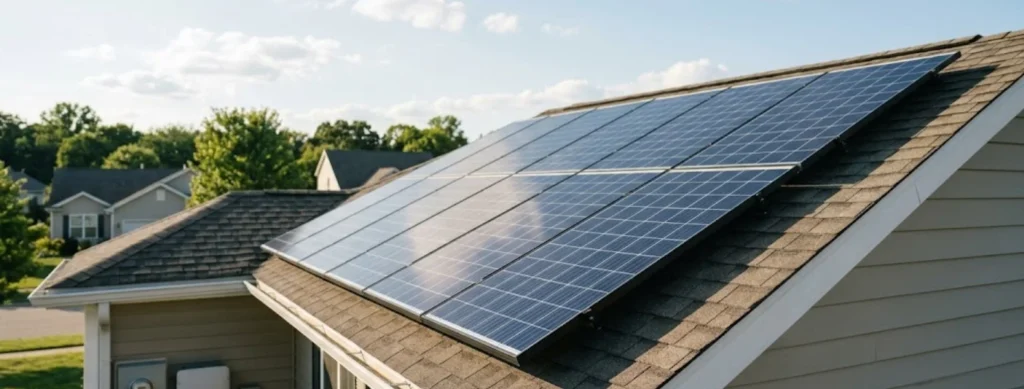
Solar panels on the rooftops of homes, industrial buildings, and office spaces have become a common sight. Yet despite the popularity, decisions around solar are still shaped by assumptions that no longer reflect how the technology performs today. These assumptions lead to delays in solar panel adoption and even misinformed decisions.
Here, we discuss the most common myths about solar power panels and guide you on those aspects which are actually important while setting up a solar power unit and help you with a clearer assessment of solar power in India.
Myth #1: Solar Power Panels Require Direct Sunlight to Operate
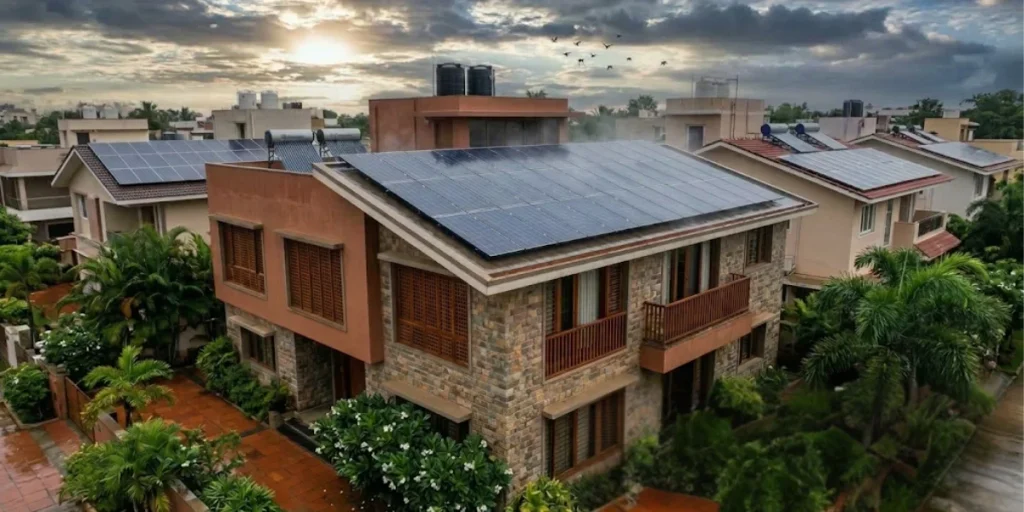
This is one of the most common misconceptions related to solar power. A Solar PV panel for home does not need high temperatures to operate.
Panel technologies such as Mono PERC are designed to generate electricity efficiently under varying sunlight conditions, although actual output still depends on the installation site and weather.
It produces electricity from sunlight and works on cloudy days as well; however, the efficiency may vary on such days.
What often surprises new users is that cooler temperatures can slightly improve electrical efficiency. Solar panel system design is based on annual energy generation, rather than day-to-day weather conditions.
The question isn’t whether solar panels will work on cloudy days. The question is whether your solar setup is capable of the seasonal variation of solar output.
Myth 2: Solar Panels Work Only in Sunny Regions
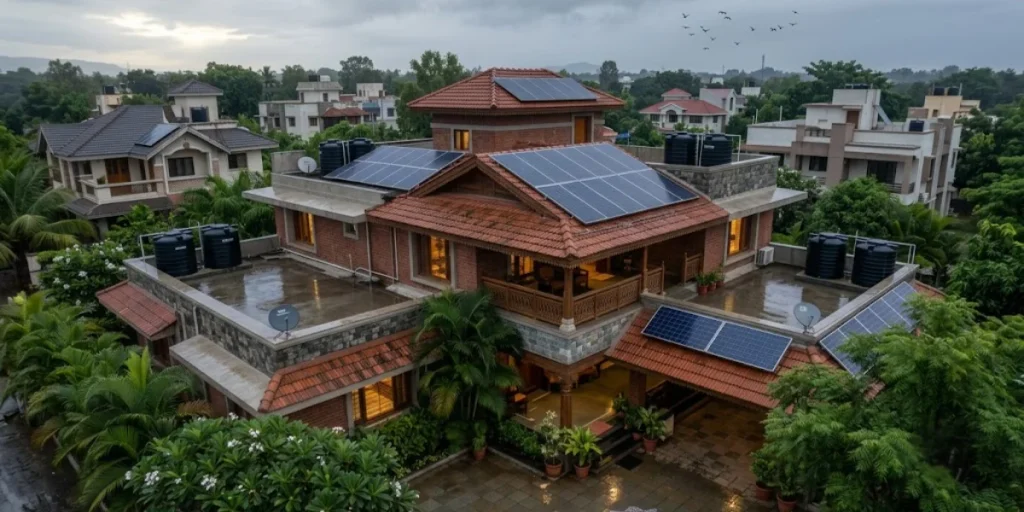
The applications of solar power in India are not limited to sunny regions only. Factors that generally matter more than geography include:
- Roof orientation and tilt
- Shading from close-by buildings or trees
- Your electricity usage
- Local grid tariffs and net-metering regulations
An optimally designed system in a moderate solar zone will perform better than a poorly designed system in a sunnier region.
Myth 3: Solar Power Panels Installation is Expensive
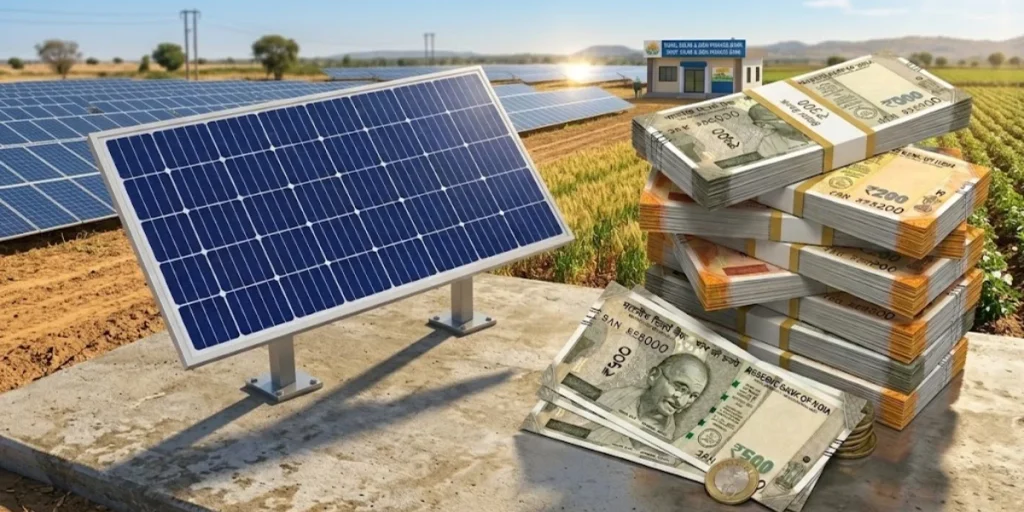
Solar pricing has shifted significantly over the last decade. Equipment costs have dropped, installation practices have standardised, and financing options have expanded. For many households, solar is no longer a high-capital luxury. It is now a manageable investment in sustainable energy.
Generally, new users only focus on the upfront costs of solar power installation. Solar energy should be assessed over its operational life, typically 20 to 25 years. Electricity tariffs increase over time, while solar generation is stable. This predictability is a key part of its value proposition.
Myth 4: Solar Panels Need Frequent Maintenance
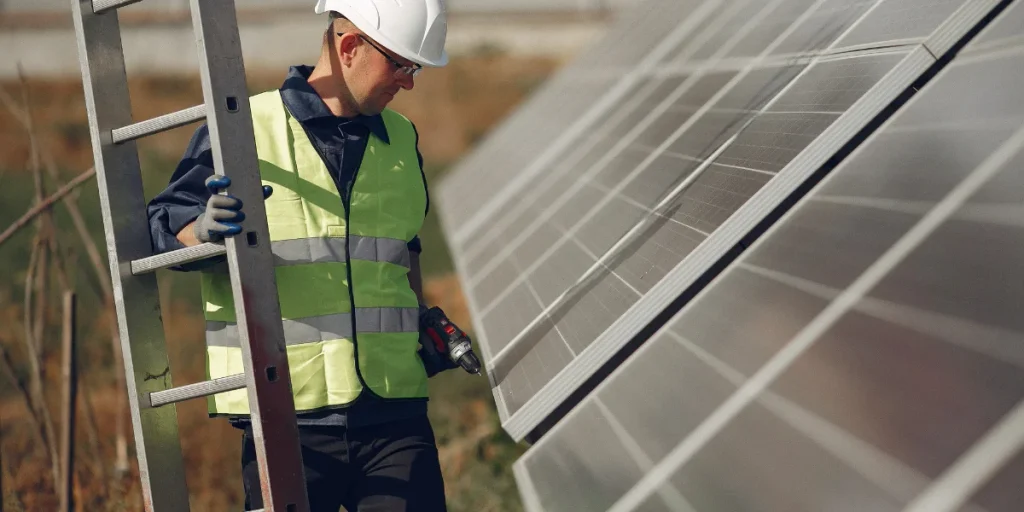
Solar panels primarily function in a passive manner. There are no moving components of solar panels, and thus, the maintenance requirements are minimal. Usually, residential systems require very few maintenance visits on a yearly basis.
The maintenance requirements only include:
- Periodic cleaning to remove dust or debris
- Inspection of wires and mounting
- Monitoring generation through an app or portal
Myth #5: Solar PV Panels Damage Rooftops
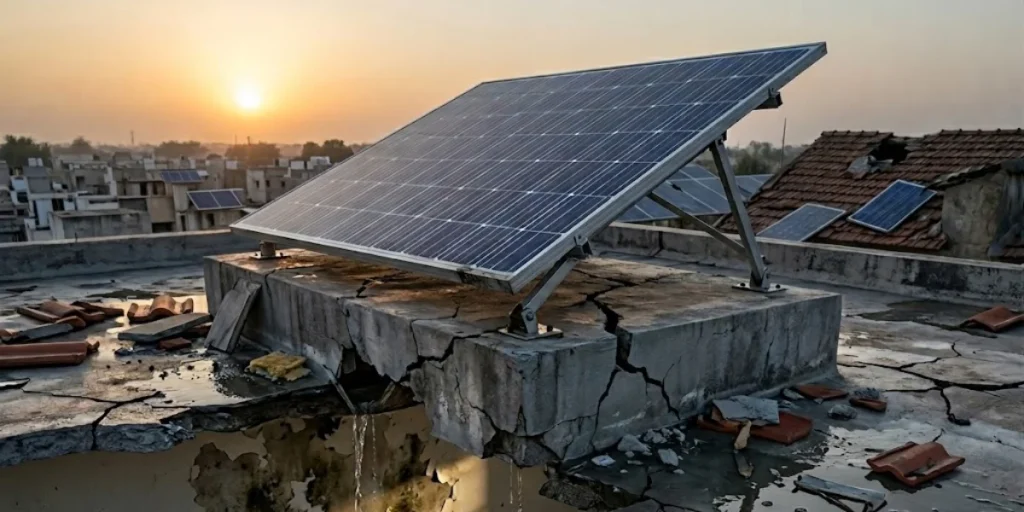
Solar PV panels do not damage the rooftops. Problems in the system may arise from poor execution.
Professionals install mounting systems engineered to protect the roof from damage and meet waterproofing standards. Proper installation enables solar panels to protect portions of the roof from the sun and other elements.
Before installation, it is advisable to check the roof’s condition to ensure there are no issues with waterproofing or major repairs that may soon be needed, as these could lead to more work later.
Myth 6: Solar Power Panels Are Ineffective During Power Outages
Grid-connected solar systems turn off during an outage so that electricity cannot flow back into the grid. This is not a fault but a safety function of on-grid solar installations.
Users who need power continuity can choose hybrid systems that use batteries or have dedicated backup power outputs that provide necessary loads during an outage.
This decision should be made at the planning stage, based on how critical backup power is for your home or business.
Myth 7: Solar Panels are Fragile and Easily Damaged
Contemporary solar power panels are designed to effectively withstand wind pressure, temperature variations, and other impacts. Solar panels are rigorously tested by manufacturers against set requirements.
Contemporary solar power panels are designed to effectively withstand wind pressure, temperature variations, and other impacts. Modern technologies such as bifacial solar panels are also designed for demanding outdoor conditions and are tested by manufacturers against set requirements. However, proper installation and mounting remain important for maintaining structural integrity.
Often, what impacts performance is not breakage but neglect. Heavy shading, accumulation, and possibly improper mounting could lower their output. The quality and mounting strictness are responsible for structural integrity.
Myth 8: Solar Systems Reduce Property Value
In most instances, it is the opposite. Generally, properties with solar systems attract potential home buyers who are looking for lower running and future energy costs.
Problems tend to occur only in situations where ownership and rights are not clear, such as in leased systems where the transfer of ownership may not be clear-cut. Clear documentation, warranties, and performance records help solar remain an asset rather than a complication.
Myth 9: Solar Panels Production Causes More Harm Than Good
While there is energy and material involved in the processing of solar panels, the correct comparison is lifecycle impact.
During the lifetime of solar panels, they produce several times more energy than the energy that is consumed during their production. This indirectly reduces the emissions associated with energy generated from fossil fuels.
The processes of recycling and the efficiency of manufacturing continue to improve, adding to the environmental advantage.
Myth 10: Solar Power Panels Are Only Applicable to Large Commercial Sectors
The solar power industry began with large rooftops. However, solar energy has found applications at various levels. Residential systems, apartments, and even small commercial setups use solar energy.
Solar panels for rooftop applications can help reduce electricity consumption, particularly where energy is used during the day.
A Solar PV panel for home can help reduce a significant amount of electricity consumption, especially where electricity is consumed during the day. A modular system also provides an opportunity for expansion of capacity, if needed, over a period of time.
How to Evaluate Solar Energy Benefits Smartly
In order not to be misled by myths or over-promises, it is necessary that there be clarity during assessment. Avoid generic averages. Real value comes from numbers tied to your actual usage and site conditions.
Ask the manufacturer for:
- A generation estimate specific to your location and roof type
- Product certifications and inverter warranty information
- Net metering rules and regulations in clear detail
- Monitoring access to track performance post installation
Bottom Line
Solar panel technology has reached a point where its performance characteristics and risk factors are clearly known and defined. As far as households and businesses are concerned, solar technology is no longer a testing process but a matter of planning. Whether you are looking to cut down your electricity costs, enhance the ability to control prices in the future, or work to increase energy resilience, solar power in India is an efficient way to achieve this. The first thing necessary is replacing assumptions with data.