
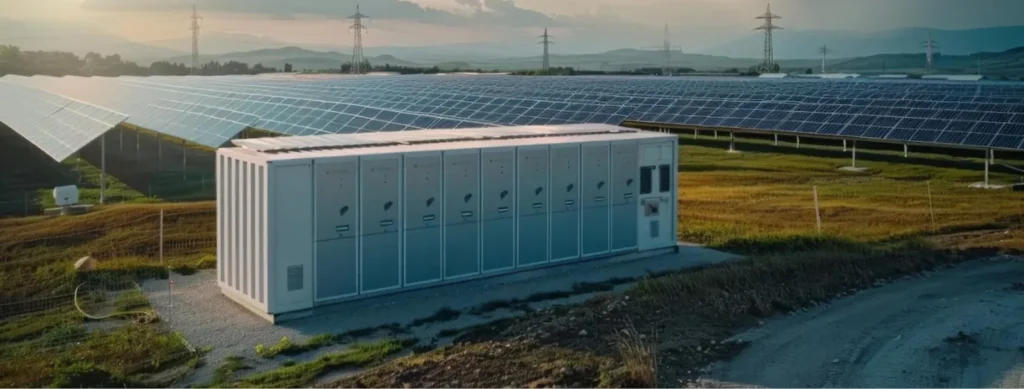
There have been tremendous advances in solar power technology. It is no longer new to see solar panels on rooftops. Today, you can find Solar PV Panels installed on residences, factories, and business establishments in India.
Despite all the solar power development, there has always been one weakness associated with it. It only works when there is sunlight. This is all the more reason for the system to have solar battery storage.
The Core Problem with Solar Alone
Factors like seasonality, timing, clouds, dust, haze, or any obstacles such as shade, rainfall, snowfall, and contamination affect the production of solar energy. In fact, even the most efficient Solar PV Panels will not provide a reliable source of energy.
There are periods when the electricity demand reaches its peak, especially during the summer. During these periods, solar energy production has declined. These are periods when the weather is hot, and working individuals are back home, using electricity to cool their houses, prepare meals, and operate other home appliances.
Electricity cannot be stored, which means it has to be produced and consumed simultaneously. As a result, solar battery storage solves the mismatch between power supply and demand.
What Solar Battery Storage Actually Does
A solar battery storage system is a piece of equipment that stores the excess electricity from the solar panels. The energy that is not used in the household goes to the storage battery to use in times of need. In situations like rain or overcast weather, when there is inadequate solar power production, the storage system ensures a reliable power supply.
How does it work?
- Solar PV panels produce electricity during peak daylight hours.
- The extra energy accumulates in the storage that can be used later on, either at night or in case of power storage.
- In case of a low solar battery, one can switch to grid power for some time.
Hence, a solar battery storage facilitates increased energy efficiency and resilience to provide a much-needed electricity backup during need.
Key Benefits of Pairing Solar with Battery Storage
1. Energy Independence: Solar batteries allow you to control your energy consumption. They help in storing the extra power to reduce the high electrical grid dependency, especially when there are uncertain or long power outages.
2. Cost-Effective: Electricity is costlier during the peak times in the late afternoon or early evenings. If you have the advantage of solar batteries, you can use excess stored solar energy when the rates are higher. This smart move will reduce the electricity bills substantially.
3. Backup Power During Outages: In case of an electrical disruption like a power shortage, a solar power storage system serves as a backup. It helps in keeping the operations of important facilities running. Besides, proving to be beneficial for businesses, it safeguards the Indian households from frequent grid issues.
4. Grid Stability and Peak Load Management: Batteries serve the purpose of storing energy on a large scale to provide power during peak load times. It relieves the excess load from the transmission lines and prevents voltage fluctuations. This is necessary for the stability of the grids for a more balanced electricity flow.
5. Reducing Energy Wastage: Most regions have a higher renewable energy production than their ability to consume. This is where energy-producing stations need to curtail, where they produce less power than their full potential. Proper energy storage will ensure that there are no losses through the electricity collection and conservation.
6. Environmental Benefits: Solar energy is the cleanest and most renewable source of energy. By using a solar battery system, you help in reducing the use of fossil fuels that also decreases greenhouse gas emissions. This is a step further in creating a greener and more sustainable future.
Types of Solar Batteries Worth Knowing
When investigating a solar battery system, the type of battery used also matters.
- Lithium-Ion Batteries: Out of a few types of solar batteries, the most widely used is Lithium-ion batteries, which are known for their long lifespan and high efficiency. They can last up to 10 to 15 years and are used in both residential and commercial solar power systems.
- Lead-Acid Batteries: A less efficient but more affordable option is Lead-Acid batteries that run between 3 and 5 years.
- Flow Batteries: They are scalable and store large amounts of energy, making them ideal for commercial-scale solar systems.
What India’s Solar Battery Storage Landscape Looks Like
India is one of the fastest-growing solar markets globally, and energy storage systems play an important role in its development. The construction of large-scale energy storage facilities is an important step in achieving the 2030 objectives of renewable energy production of 500 GW.
The functions of a reliable solar manufacturing company in India are not limited to the production of panels. The best solar manufacturers design systems that consider the installation of storage from the beginning.
Conclusion
Solar battery storage systems are not a luxury anymore. They fill the missing gap between the solar supply and demand. With addition of the power storages, solar energy has become a more reliable solution, irrespective of a domestic installation in Punjab or an industrial application in Gujarat.
In light of ever-reducing costs of high-quality solar PV panels with advanced battery technology, it makes absolute sense to adopt it.
FAQs
1) What is the 20% rule for solar?
The 20% rule is a concept that states that the battery backup storage should cover at least 20% of your daily needs. This ensures that the battery system is not overburdened to increase its lifespan.
2) Is it better to have battery storage for solar panels?
Yes, having a battery storage is beneficial in many cases because it allows you to use solar energy even when the sun is not shining. Together, this reduces grid dependence, lowers electricity bills during peak tariff hours, and provides power backup during outages.
3) What is the difference between solar and solar with battery storage?
A typical solar system generates power when the sun shines with excess going either to the grid or going to waste. However, solar systems with batteries capture the excess power production and make it available at night for greater energy independence and reliability.
4) Can I use solar panels without battery storage?
Yes, you can use solar panels without batteries. It is still going to significantly reduce your electricity bills. However, the only disadvantage is no power during a grid outage without storage.