
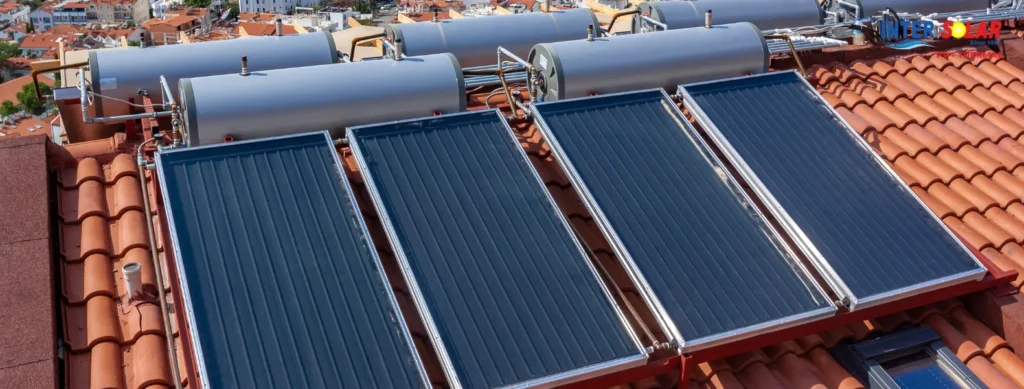
A Solar Heat Pump can be a smart long-term choice, but only when it suits the home requirements. The best systems are not chosen by brochure alone. They are chosen after looking at the property, the heating demand, the solar setup, and the kind of support you will get after installation. Buying well matters because the right system should feel comfortable to live with, efficient to run and practical to maintain over time. Heat pump buying guidance consistently points to sizing, efficiency, noise, controls and installer quality as the main checks.
If you are comparing heat pump manufacturers or speaking to a solar manufacturing company in India, start with fit, not features. That is usually where the best decision is made.
The Basics of Solar Heat Pump
A heat pump moves heat rather than creating it from scratch. Depending on the model, it can draw heat from outside air, the ground, or exhaust air and then transfer that warmth into the home for space heating or hot water. In a solar-linked setup, rooftop solar panels can help supply the electricity the heat pump needs, which can make the whole system more economical to run. The basic principle is simple, but the details matter because the way the system is designed and controlled affects how well it performs in real life.
Choose the Right Type of Heat Pump for Your Home
There are three types of heat pumps you can consider:
- Air source: Easier to install and often the quickest way to combine with rooftop PV.
- Ground source: More consistent output but needs space or boreholes and higher up-front cost.
- Exhaust-air: Uses warm indoor air from ventilation systems and suits compact homes or flats.
Match the type to your property, budget and tolerance for disruption during work on site. If you are planning PV on your roof, air source machines are usually the most straightforward to operate, together with solar panels.
Why Proper Sizing Is Non-Negotiable
Correct sizing beats brand names. Ask every installer for a room-by-room heat-loss survey and a kW sizing recommendation. A correctly sized unit keeps the house comfortable and efficient. An undersized pump struggles on cold mornings. An oversized pump cycles inefficiently. If two quotes give very different sizes, ask them to explain the assumptions about insulation, window area, and desired indoor temperature before investing.
Efficiency in the Real World
Manufacturers publish CoP and SCOP numbers on the heat pump systems. CoP shows efficiency under specific conditions. SCOP suggests seasonal performance. Your actual result depends on your insulation, your thermostat habits and how the system is commissioned. When you add solar PV, you change the effective running cost because some electricity is self-generated. Think of PV and the heat pump as one system that needs coordinated controls.
How to Integrate Solar Effectively
Solar integration is about control logic, not just panels on the roof. Helpful features include:
- Smart controllers that preferentially run the heat pump when PV output is high.
- Timers that charge hot water during peak sunshine hours.
- Battery options for storing surplus generation overnight or to cover cloudy spells.
Ask the installer to draw a simple wiring diagram and describe what happens during dull periods and on very cold days. If you plan to expand with batteries, confirm the installer understands battery integration and export management.
Plan the Right Location for Quiet Performance
Modern units are quieter than older models, but noise is still a planning point. Ask for the dB(A) rating at one metre and insist on an example of a completed install if you can. Sit the outdoor unit away from neighbour bedrooms and shared boundaries. Anti-vibration mounts and small acoustic screens can help. Good installers consider both performance and how the unit will sit in the garden or on the wall.
Choose the Right Installer and Manufacturer
A well-trained installer saves money long term. Check for accreditation, local references, and a clear aftercare plan. Ask questions such as:
- What does the warranty cover, and how long does it last?
- Who will service the unit locally, and where are spare parts sourced?
- Which heat pump manufacturers do they install and why?
Partner with a local solar manufacturing company for faster support and parts. Good local partnerships can cut downtime and simplify maintenance.
Cost, Grants, and Realistic Payback
Total cost includes the unit, any groundworks, pipework, control hardware, and the PV and battery if you add them. Ask for a lifetime cost comparison showing current spend versus expected post-install spend. If grants or incentives are available, factor them into the calculation. Do not accept vague payback claims. Request simple annual figures you can compare between quotes.
Maintenance and Reliability
Solar Heat pumps are long-term investments. Routine tasks such as filter cleaning, fan servicing, and periodic checks keep them efficient. Ask for a maintenance schedule and an estimate of annual servicing costs. If a service plan is available, check whether it includes labour and parts or only inspections.
Quick Buying Checklist
- Full heat-loss survey completed?
- CoP and SCOP provided and explained?
- Clear plan to prioritise rooftop PV for heating?
- Outdoor unit noise rating at one metre?
- Local servicing and spare parts confirmed?
- Total installed cost and grants identified?
- Warranty lengths and coverage explained?
Use this checklist at each installer visit and keep the documents they give you. A clear paper trail makes later comparisons simple and prevents surprise costs.
Final Word
A Solar Heat Pump can deliver warmth, lower bills, and cleaner energy at home. The secret is being methodical: insist on a proper survey, confirm seasonal efficiency figures, ask how solar PV panels will be used, and choose an installer who stands behind their work. Small time spent on these checks now will pay for itself in comfort and lower bills for many years.
Frequently Asked Questions
-
Is a solar heat pump suitable for every home?
Most homes can accommodate a solar heat pump, but space, insulation, and roof space for the solar panels will be determining factors. -
How much electricity does a heat pump use?
A heat pump uses a considerable amount of electricity, but the solar panels can help to cut costs on the amount of electricity used. -
Do solar heat pumps work during winter?
The heat pumps can work even during winter, although the efficiency may be a bit reduced in extreme cold conditions. -
How long does it take to install a heat pump?
It takes a few days to a fortnight to install a heat pump, depending on the size of the heat pump and the groundwork involved. - How long does it take to install a heat pump?
Most systems last 15 to 20 years with proper maintenance, though performance depends on usage, installation quality, and regular servicing over time.