
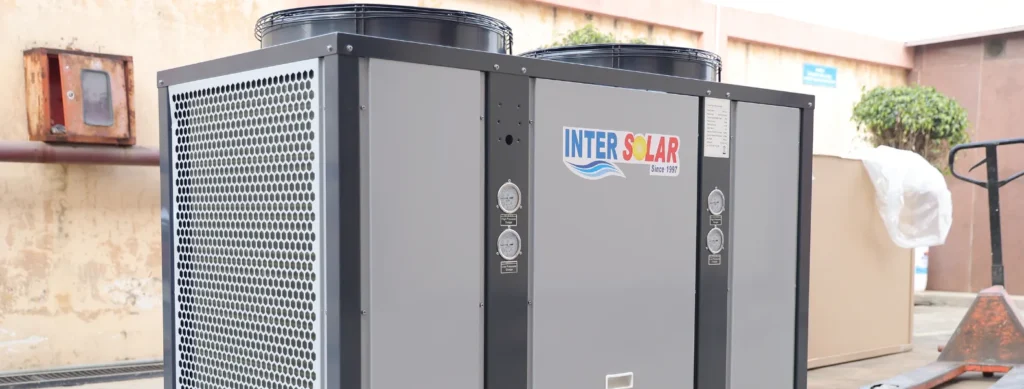
If heat pump installation is next on your list of home improvement agenda, you must have a lot of questions. Besides listing out its benefits and the cost of running, another question that comes to mind is “How Long Do Heat Pumps Last ?”
As per a close estimate, a well-maintained heat pump system can work efficiently for 15 to 20 years. There are a plethora of factors that either affect its working or maximise the system’s lifespan.
What Is the Average Lifespan of a Heat Pump?
Heat pumps sourced from leading heat pump manufacturers in India can last between 10 and 15 years. In case the systems are well-maintained, they can continue to work for 5 more years. Thanks to the advanced technology and ideal weather conditions, its life can be increased up to 25 years or longer.
The type of heat pump also plays a role in determining the system’s life:
- Air-sourced heat pumps typically last 10 to 15 years
- Ground-sourced heat pumps can last 20 to 25 years on average. The years are more here because these systems have more stable underground operating conditions and very few externally exposed components. Lesser-exposed components protect the machinery from more wear and tear.
Key Factors That Affect How Long Heat Pumps Last
Each heat pump ages differently based on a few key factors. These determine exactly where your system falls within that lifespan range.
Installation Quality
This is the most crucial factor that can influence the lifespan of the heat pump. A properly installed system will last 12 to 15 years. A properly installed system means the right size installation and is well-connected to the ductworks and controls. However, if the system has poor installation quality, it will wear out in just 8 to 10 years.
System Quality and Brand
High-quality heat pumps usually outperform the cheaper options in quality and lifespan. The heat pump systems from the top solar manufacturing company in India use sturdier materials and parts to avoid frequent breakdowns. If possible, always get a recently built system installed at home (5 to 8-year-old models).
Maintenance and Upkeep
After installing a heat pump, the best thing you can do is routine maintenance. Getting annual system servicing, checking filters regularly, and keeping the outside unit clean make a big difference. This keeps your heat pump working efficiently for longer.
Climate and Environmental Conditions
Countries like India, where the temperatures are intense and extreme heat pumps work extra hard, speeding up the wear and tear. Also, the coastal areas in the country have salt and moisture in the air that can corrode the equipment faster. Hence, the system needs crucial regular maintenance to protect it.
Usage Patterns
Making frequent thermostat changes, using extreme settings, and causing the system to constantly start and stop really stresses the compressor and other parts. But setting a consistent temperature makes this wear a lot less likely.
5 Practical Tips to Extend Your Heat Pump’s Life
Caring for your heat pump isn’t too demanding. Just sticking to a few easy habits can extend its life by a few more valuable years.
1) Get the installed system checked by a professional at least once a year. They look at the refrigerant levels, clean the coils, and check the electrical parts. In case of small issues that can grow costly and big if ignored, the technicians can work on them when the time is right. Experts recommend that you get the system checked twice a year, which is once before the transitional climates.
2) Remember to always change and clean the filters often. If the filters get clogged, the machines have to work overtime, which is not good for their health. A positive answer to “how long do heat pumps last?” lies in swapping or cleaning the filters every one to three months. However, always follow the instructions of the manufacturer.
3) Keep a space of about 2 to 3 feet clear around your outdoor unit. Make sure to regularly remove leaves, dirt, and debris. Also, during cold weather, keep an eye out for ice build-up. Don’t use a pressure washer while cleaning the fins; it could damage your heat pump.
4) Setting your thermostat to a steady temperature will help a lot. It stops the compressor from short cycling, a major reason for premature wear and tear.
5) Adding some cover from rain, direct sunlight, or wind cuts down on component stress and stops corrosion more quickly. This is huge in regions that deal with monsoons and high humidity.
Signs It May Be Time to Replace Your Heat Pump
Every well-maintained system eventually gets old, too. Here’s what to watch for:
- Higher electricity bills without changing the usage pattern or weather
- Fixing the unit becomes frequent, especially when repair costs nearly hit half what a new one would cost
- Temperature inconsistencies in various rooms around your house
- Noises like grinding or banging from your heating or cooling system
- If the system is older than 10 to 15 years and performs poorly, it’s time to think about replacing it
When your heat pump hits ten years old, plan to replace it, even if it’s still working. Newer models have way better energy efficiency and lower running costs, so it’s worth upgrading.
Conclusion
Heat pumps make a great long-term investment for keeping your home comfy. Depending on the kind, quality, and how well you take care of them, they last between 10 and 20 years. Proper installation, regular upkeep, and smart use really matter. They help your pump run smoothly for at least two decades.
Frequently Asked Questions
1. Do heat pumps last longer than AC?
It’s not that simple. Your standard air conditioner is good for about 12 to 15 years. Heat pumps? They typically last 10 to 15 years. Because heat pumps work year-round for both heating and cooling, they endure more use. This extra runtime can slightly shorten their lifespan when compared to cooling-only AC units.
2. What is the most expensive part of a heat pump?
The compressor is the priciest part of a heat pump and basically controls the circulation of refrigerant. Since it’s so vital, replacing just the compressor can get very costly. That’s why many HVAC pros advise replacing the whole unit instead, especially if the current system is pretty old.
3. What is the 20-degree rule for heat pumps?
Heat pumps run best when the temp difference between outside and the set indoor temperature is 20 degrees Fahrenheit (11 degrees Celsius) or less. If it’s much more than that, the system might struggle to keep up and use way more energy in the process.
4. What are the most common problems with heat pumps?
People often notice their heating or cooling doesn’t work well, see ice on the outdoor unit, or hear weird sounds like grinding and rattling. Bills get higher because the system’s not efficient, and the equipment might start short-cycling, too. These issues can be found and fixed early with a professional check-up every year.