
As the prices of electricity are on the rise every year, there is a need for better methods of heating water in India. The first thing that comes to mind while searching for such an alternative is heat pumps. However, have you ever wondered what the monthly heat pump costs in India are? Well, here’s everything you need to know about the matter.
What Is a Heat Pump and How Does It Work?
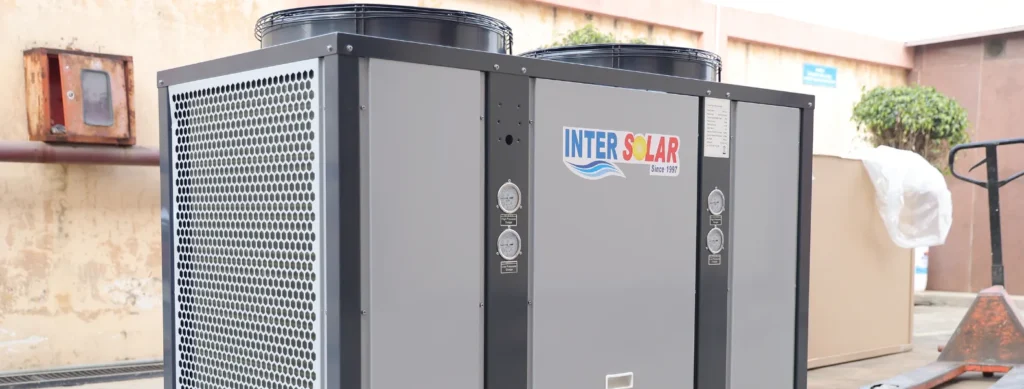
The working of a heat pump water heater is entirely different from that of a geyser. The heat pump water heater extracts heat from the atmosphere and heats the water that is present in its tank.
This difference makes the energy savings in heat pump water heaters very clear. In an electric geyser, 1 kWh will be needed to produce 1 unit of heat. Heat pumps, on the other hand, use only 1 kWh to offer you hot water similar to the one that would otherwise have taken you 3 kWh to 4 kWh.
Heat Pump Power Usage: The Numbers You Need
The first step to determine the energy consumption of the heat pump is the calculation of the Coefficient of Performance. When the COP of the heat pump is 3 or 4, this indicates that the heat pump provides 3 or 4 units of heat for every kilowatt of electricity it uses.
In comparison, a typical geyser requires 1 kilowatt of electricity to produce 1 unit of heat in the water, while a heat pump needs 1 kilowatt of electricity to produce three to four units of heat. Thus, the cost of heating water in a heat pump is three or four times cheaper than heating water using standard electrical heaters.
Go through the breakdown for the electrical usage in a typical Indian household:
- A conventional 25-litre geyser uses approximately 6 units of electricity per day.
- A heat pump uses between 1.5 and 2.5 electricity units for the same job.
- Depending on usage and climatic conditions, 90 to 150 electricity units are saved monthly.
Considering an average rate of Rs. 7 to Rs. 8 per unit of electricity (which varies from state to state), the difference between the two systems amounts to considerable savings every month.
Cost of Heat Pump: Running Cost vs. Geyser
Here, the real discussion begins. Even though the initial heat pump cost is on the higher side as compared to the conventional electrical system geyser, the saved money compensates for the high cost in just a few years. Usually, after this phase, a heat pump owner begins to save money throughout its lifespan.
Estimated monthly running cost comparison of both systems:
- An electrical geyser used daily by a family of 4 will cost around ₹900 to ₹1,400.
- For the same use, a heat pump will cost between ₹250 and ₹450 per month.
- Heat pump usage allows a homeowner to save ₹500 to ₹1,000 monthly, which is huge over the years.
Note: Accurate figures depend on your electricity bills, the size of the tank, the number of people using it, and others.
How Much Can You Actually Save?
Heat pumps do not create heat, but they transfer heat that saves up to 75% of energy. Energy saved means money saved. Usually, a heat pump works for 10 to 15 years, which can lead to significant savings over the years.
This means that you are saving 60% to 75% on the total electricity bills with a heat pump. For many Indian families, these savings are worthwhile.
Factors That Affect Heat Pump Heating Cost in India
The heat pump heating cost varies for each individual. There are noticeable factors that influence the final bill each month.
- Climatic Conditions: Warm and moderate temperatures are the most suitable for heat pumps to work. Some of the Indian cities that are ideal for a heat pump’s operations are Mumbai, Bengaluru, Chennai, and others.
- Tank Size: A 200-litre heat pump consumes more energy than a 110-litre unit because it requires more power to heat more water.
- Usage Habits: A couple living alone will require less heated water than a big family of 6 or more.
- Different State Electricity Tariffs: The range of electricity tariffs is wide. Every state charges a different rate per unit. So, a higher tariff will increase the monthly savings while using a heat pump.
- Thermostat Setting: Running a heat pump on 55°C will need less power compared to operating at 60°C.
Heat Pump vs Electric Geyser: A Clear Comparison
| Feature | Heat Pump | Electrical Geyser |
| Energy Consumption | 1 kWh | 3 to 4 kWh |
| Monthly Electricity Cost (Approx) | ₹250 to ₹450 | ₹900 to ₹1,400 |
| Impact on the Environment | 90% Renewable (No Heat Creation) | Higher Carbon Footprint |
| Upfront Cost | Initially higher, but compensates over its lifespan | Lower |
Conclusion
Opting for a heat pump from one of the trusted heat pump manufacturers in India is a smart decision for a family to reduce monthly electricity bills. Heat pumps consume less energy in comparison to conventional water heating systems that makes quite a difference in savings.
For over 10 to 15 years, a heat pump will keep your power costs low without frequent maintenance or replacements. They reduce your carbon footprints that makes it an environmentally-friendly option.
By investing in a heat pump, you are contributing to a greener future for your home and the planet.
FAQs
1) How much electricity does a heat pump use in a month?
If a family of four uses a heat pump daily, they will consume approximately 45 to 75 units of electricity per month. In comparison to a conventional geyser, the used units rise to 200.
2) Do heat pumps give cold air?
Yes, cold air is a by-product of a heat pump. Since the pump extracts the warmth from the surroundings and transfers it to the water, it exhausts cool air. Don’t mistake it for a malfunction, as it is nothing but its technological working. For the hot Indian climate, this mild cooling effect proves to be a bonus.
3) Why is my bill so high with a heat pump?
Usually, a heat pump lowers your electricity bills. However, if your bill remains high, there could be several reasons behind this. Some of them could be:
- The surrounding temperature is too low for the heat pump to warm the water
- The thermostat is set too high that consumes more energy to heat the water
- The machine needs servicing
- Or, your hot water needs are way too high
Analyse the factors that are increasing your electricity bills and get them sorted before the next bill cycle.