
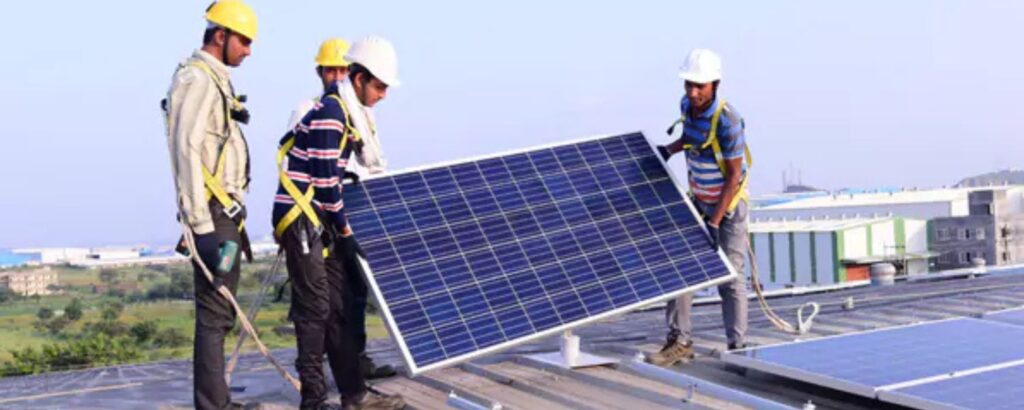
Switching to solar is one of the smartest upgrades a homeowner in India can make. It lowers electricity bills, reduces dependence on the grid and adds long term value to your home. But before the panels go up, your roof must be ready. A proper foundation ensures smooth solar panel installation, better performance and fewer issues in the future. In this rooftop solar installation guide, we will explain how to prepare roof for solar panels and what every homeowner should check before installation begins.
Why Roof Preparation Matters
Your roof is the base of your whole solar setup. If the surface is weak, damaged, or unsuitable, the panels will just not perform well, and you can have problems later on. Preparing the roof helps you:
1. Avoid leaks and cracks caused by drilling or mounting
2. Ensure the roof can take the extra weight.
3. Improve overall energy efficiency
4. Extend the life of both your roof and the solar system.
Most homeowners go straight to panel size selection and searching for installers without first checking to see if their roof will support the system. A little evaluation upfront will save time, money, and headache in the future.
Check Your Roof’s Structural Condition
Age, Material and Strength
Begin with the basic health assessment of your roof. The age and material are two factors that determine whether the roof is ready or not for solar panel installation. Most of the houses in India have either a concrete roof, metal sheets, clay tiles, or slate surfaces. Concrete roofs, being strong, can support various mounting structures and are generally ideal. Tile and metal roofs can also be quite feasible but might require care while drilling or mounting.
Check for any signs of wear, which can be broken tiles, rusted sheets, water damage, or sagging corners. If your roof is more than 15 to 20 years old, get it inspected by a technician before planning the installation. While older roofs can still support solar, they might require some repairs first.
Bearing Capacity and Tilt
Solar panels bring additional weight to the roof. Most systems are not too heavy, but mounting frames and wiring require solid support nevertheless. Ensure the structure beneath the roof is strong enough to bear them. If sagging or bending is observed, get repairs done before commencing with their installation.
Tilt also plays a key role. Ideally, panels are to be south-facing in India at an angle equivalent to your latitude. If your roof tilt is too flat or too steep, then adjustable mounts may be used by your installer. A check on this early helps you plan the right installation approach.
Repairs Before Installation
Small problems, such as any form of cracks, seepage, or old waterproofing, become major problems once panels are installed. Fix structural and surface issues now because repairing them later requires removing the panels again. This adds cost and delays.
Choose the Best Roof Type for Solar Installation in India
Every roof can support solar in some form, but some types work better than others. Knowing this helps you plan more confidently.
Flat Concrete Roofs
These are some of the most common options to choose the best roof type for solar installation in India. These offer flexibility in panel placement, easy cleaning access, and strong support for mounting structures. Panels can be tilted to the ideal angle without major changes.
Sloped Tile Roofs
These roofs also function well, but the installers have to be cautious while drilling to prevent the cracking of tiles. Special mounting hooks may also be required for stability.
Metal Sheet Roofs
Being lightweight, durable, and easy to install on, metal roofs are increasingly used in modern homes. They handle rooftop solar installation well but require correct mounting clamps for secure fitting.
Terrace Roofs
Terrace roofs offer quick access and free room for bigger systems. They are ideal for homes that may plan to expand in the near future.
Understanding your roof type helps you decide whether modifications or special mounting accessories are required during the solar panel installation.
Roof Orientation, Shading and Roof Space Plan
The biggest factor in solar efficiency is the amount of sunlight your roof receives.
Orientation
In most Indian homes, the best direction is south. This direction captures maximum sunlight throughout the day. If your roof faces east or west, you can still install panels, but you may get slightly lower output.
Shading
The generation may be reduced due to shadows from surrounding buildings, trees, or water tanks. Your roof should be assessed at each times of the day to know whether shadows would fall on the installation site. A simple sun path evaluation by the installer can help you decide the best location.
Roof Space
Measure the open area on the roof. The average 1 kW system requires about 80 to 100 square feet, depending on the panel type. There must be free space in the right amount without obstruction from antennas, vents, or AC units. Planning this beforehand avoids last-minute surprises.
Wiring, Inverter Placement and Access
It is not only about choosing the best roof type for solar installation in India; the supporting components also play a role in efficient solar panel installation.
Wiring Route
Safely and cleanly route the wiring from the roof to the inverter and meter to reduce issues in the future with maintenance and prevent exposed cables.
Location of the Inverter
Pick a location that is dry, shaded and accessible. Most homeowners like to locate it in a utility corner or near the main distribution board. A well-ventilated location assists in better performance of the inverter.
Maintenance Access
Ensure the panels can be accessed for cleaning and routine checks, and that there is enough walking space around the installation area for technicians to work comfortably.
Legal, Permission and Safety Considerations
Check for local permissions or documentation requirements prior to commencing work. Certain housing societies demand written approval before work commences on rooftops. In a few rare cases, structural stability certificates are required for older homes.
Consider the safety measures like lightning arresters and proper earthing. A good installer will include them in the package, but understanding them ensures that you get a reliable setup. Waterproofing around drilled areas is also very important to avoid leaks during monsoon.
A Quick Checklist Before the Installation
Now, the question is, how to prepare roof for solar panels? There are certain things that need to be considered before you install a solar panel. Review this quick list to make sure your roof is ready for the installation:
1. Check the roof’s condition and watch out for any cracks and damage
2. Evaluate the roof material and weight capacity
3. Sufficient space availability for solar panel installation
4. Finalise the wiring and inverter location
5. Arrange the installation permissions from all the parties concerned
6. Plan the waterproofing and safety concerns in advance.
Make your home solar-ready with guidance you can count on.
Final Thoughts
Installing solar isn’t all about choosing equipment. A strong and well-prepared roof makes a solar panel installation efficient, safe, and durable. With the proper checks, small upgrades, and planning, your home can be well-prepared for a seamless rooftop solar installation. If you’re looking for professional advice or a comprehensive evaluation, let us guide you in preparing your roof and selecting the right system for your home.
Frequently Asked Questions
Flat concrete roofs are the most suitable, but tile and metal roofs can also support solar with proper mounting structures.
A 1 kW system usually needs 80 to 100 square feet. Larger systems require more space depending on panel size and layout.
Yes, but it must be inspected for strength, leaks and structural issues. Repairs may be needed before installation.
Some societies and municipal bodies require NOCs. Requirements vary by location, so check with your installer.
You can check shadows through the day or ask your installer for a shading and sun path analysis.